
6,000+
Team members
25+
Network countries
200+
Private aviation terminals
A high-end charter operator was running multiple booking platforms, Dynamics 365 CRM, and downstream applications with no shared integration layer and no way to keep data in sync. Inferenz built an event-driven, cloud-native integration platform anchored by a Canonical Data Model on Azure Redis Cache, standardizing all customer, account, and booking entities into a single source of truth. The result: real-time data sync, significantly lower infrastructure costs, and complete cross-system accuracy across every connected platform.
The client operated a fragmented technology landscape with no shared integration layer and no way to keep critical booking data consistent across systems.
Booking records updated in one platform had no guarantee of reflecting in others, creating real risk of conflict or duplicate bookings for high-value charter clients.
The engagement started from scratch with no data model, no CRM connection, and limited technical clarity on the client side. A structured POC approach was essential before any production build.
Azure Logic Apps prototyping recorded nearly 7-second latency, well above the threshold required for near-real-time booking operations.
All APIs had to remain accessible only within Azure VM boundaries via Azure API Management, demanding a security-first design that preserved performance at the same time.
Inferenz built an event-driven cloud-native integration platform anchored by a Canonical Data Model on Azure Redis Cache, giving every connected system one trusted source of truth.
A structured POC compared Redis Cache against Azure SQL Server on cost and latency before any production build. Redis outperformed SQL on both counts. SQL licensing overhead significantly inflated the cost of the SQL option, making Redis the clear choice on performance and economics.

All customer, account, and booking entities were standardized into a single accessible format, eliminating data inconsistency across booking platforms, CRM, and downstream consumers.

Inbound APIs handled data flowing from front-end systems into Dynamics 365 CRM. Outbound APIs pushed updates back to all connected consumers with no direct system-to-system coupling.
The team migrated from Logic Apps to Azure Function Apps and optimized the transformation code, clearing the real-time SLA that mattered most for charter booking operations.

All CRM data was validated against business rules before storage. Status flags and transaction tables ensured only clean, approved records reached downstream consumers, building data quality in rather than relying on post-hoc fixes.
All APIs were secured within Azure VMs and exposed exclusively via Azure API Management, keeping access controlled and monitored without any trade-off on performance.
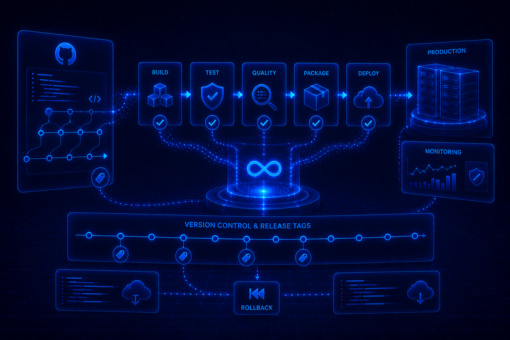
Real-time data sync
Down from 7 seconds after migrating to Function Apps and Redis Cache with optimized pipeline code
Infrastructure cost reduction
Approx. $550 per month saved with Azure Managed Redis vs Azure SQL on equivalent configurations.
Cross-system data accuracy
One canonical layer keeps every connected system in sync simultaneously, eliminating conflict risk.
Governance and audit trail
Status flags and transaction tables ensure data quality and traceability on every update.
Whether you’re starting with data modernization or exploring AI copilots, we’re here to help.
Contact Us