













Executive Summary
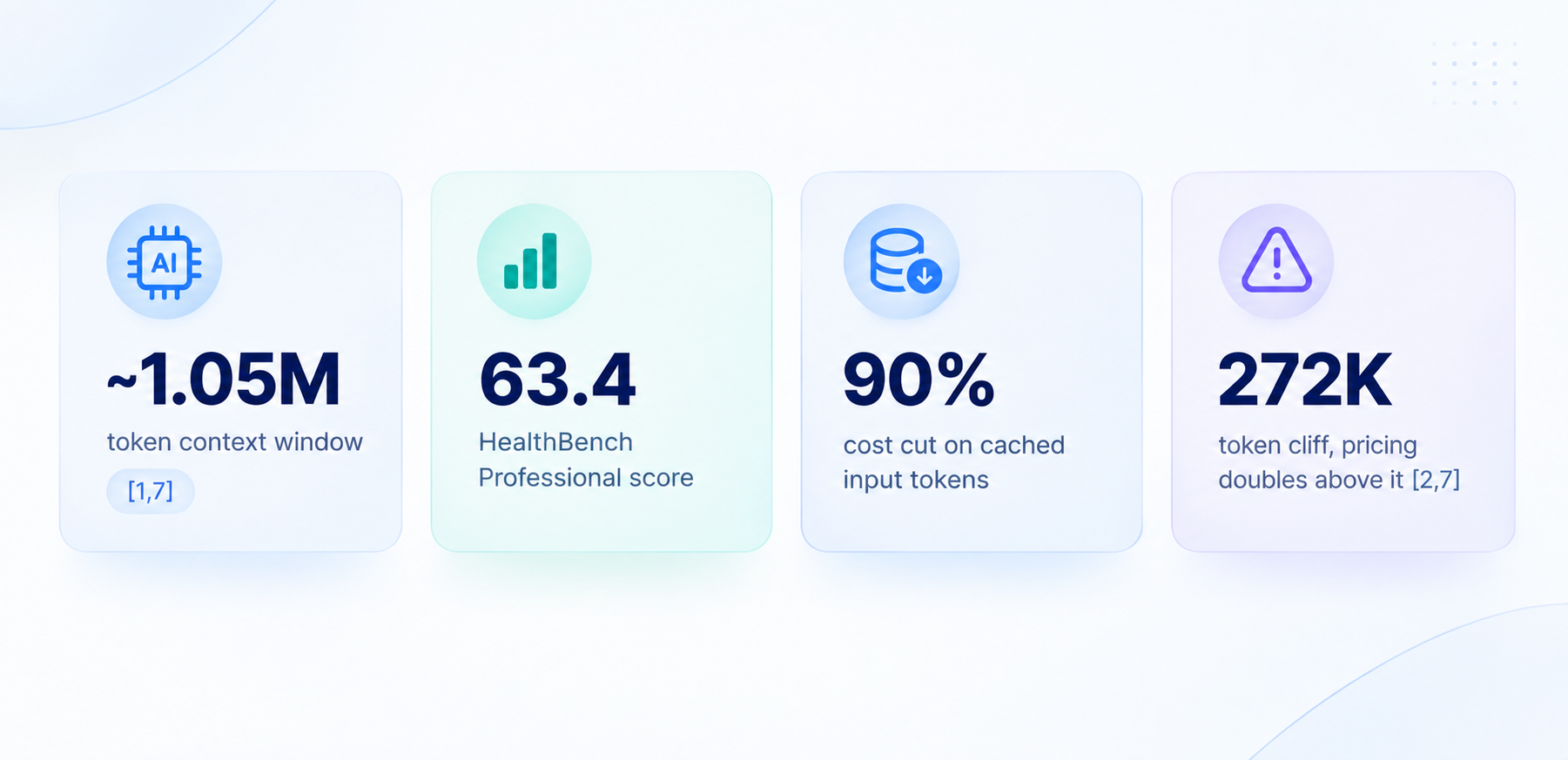
For healthcare CXOs weighing generative AI and agentic AI investments, GPT-6 Astra’s real story isn’t its benchmark score. It’s the 1.05-million-token context window, the prompt-caching economics, and the HIPAA compliance gate that decide whether a pilot survives contact with a real patient record. This brief breaks down what changes for clinical documentation, care coordination, and healthcare AI governance, and what still requires a signed Business Associate Agreement before any patient data goes near the model.
Why this release is different for healthcare
OpenAI shipped GPT-6 Astra on September 3, 2026, in the same week Anthropic, Google, and Meta all pushed out their own frontier updates, a cluster of launches so tight that CNBC coined the term “model fatigue” to describe how hard it has become for buyers to keep the scoreboard straight.
For a general audience, Astra’s headline numbers are the story: a context window of roughly 1.05 million tokens, near-saturated scores on FrontierMath and ARC-AGI-3, and the first OpenAI model to meet the “Critical” threshold for cybersecurity capability under the company’s Preparedness Framework.
For healthcare, none of that is the interesting part. The interesting part is what changes operationally when a model this capable is dropped into a hospital’s documentation queue, a home-care agency’s referral pipeline, or a payer’s prior-authorization backlog, and what still, deliberately, doesn’t change.
That operational lens, not the leaderboard, is what matters for healthcare AI governance and generative AI adoption at the health-system level.
The benchmark that actually matters here
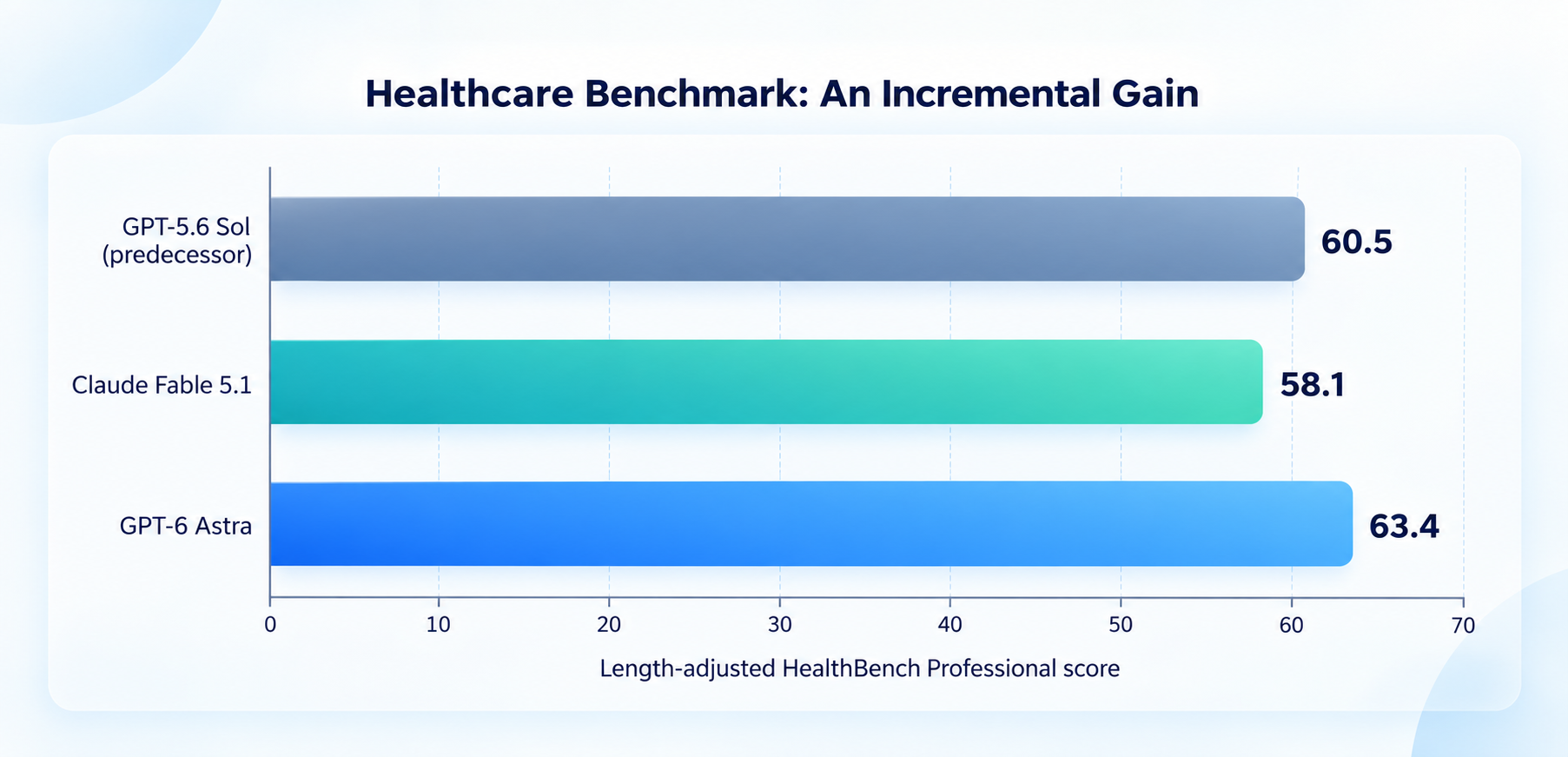
Astra scored 63.4% on the length-adjusted HealthBench Professional evaluation, up from 60.5% for its predecessor, GPT-5.6 Sol, and ahead of Claude Fable 5.1’s 58.1%. That comparison carries an important caveat: OpenAI graded all three models itself, using its own GPT-5.4 grader and an Opus 5 fallback for cases where Fable 5.1 declined to answer, this is not Anthropic’s self-reported figure. A real but incremental gain, and the wrong number to lead with regardless: length-adjusted scoring exists because a longer answer can satisfy more rubric checkboxes without being clearer or more clinically useful, the benchmark itself is warning readers not to over-read it.
None of this constitutes diagnostic accuracy, prospective clinical validation, or regulatory clearance. Astra is not a medical device, and OpenAI hasn’t positioned it as one; it’s a foundation model that healthcare products get built on top of, and that distinction carries real weight for anyone evaluating it for clinical use.
For CXOs building a healthcare AI governance framework, that distinction between a foundation model and a regulated clinical device is the first line item in any vendor risk assessment.
What actually changes: context, not cleverness
The single most consequential spec for healthcare isn’t a reasoning benchmark, it’s the roughly 1.05-million-token context window. A longitudinal patient record isn’t one document; it’s years of visit notes, lab trends, referral letters, discharge summaries, and imaging reports scattered across systems that don’t talk to each other. Previous-generation context limits forced aggressive summarization before a model could even look at the full picture.
![Context window growth, with the long-context pricing threshold marked [1,2,7]](https://inferenz.ai/wp-content/uploads/2026/09/What-actually-changes-context-not-cleverness.png)
At a million-plus tokens, an application can hand Astra genuinely comprehensive input in a single pass. That doesn’t fix the underlying mess of a real medical record, duplicated entries, inconsistent formatting, contradictory timestamps are still there, but it removes the artificial ceiling that used to force pre-summarization. Paired with native web search, file search, code execution, computer use, and tool-calling (MCP), Astra shifts from answering questions to doing structured, multi-step tasks like application development. That agentic capability is the actual product opportunity, more than any single point of benchmark improvement, per independent healthcare-AI analysis.
Where this shows up in real workflows
Framed as applications rather than capabilities, here is what realistic healthcare use looks like, per independent clinical-AI analysis:
| Chart Review Synthesizes a fragmented, multi-year record into a usable pre-visit summary. | Evidence Synthesis Builds a referenced briefing on a clinical question from literature and structured sources. | Documentation Drafts referrals, discharge summaries, prior-auth requests, and patient letters. |
| Care Coordination Reconciles referrals, results, and correspondence across disconnected systems. | Research & Data Analysis Runs reproducible code across large structured health datasets. | Health-Tech Development Builds and maintains the software healthcare workflows actually run on. |
What Astra should not be used for
Keep the clinician in the loop, always.
- Autonomous triage: deciding a patient’s urgency or pathway without clinician review.
- Prescribing and order entry: generating a prescription or investigation order without a human decision-maker in the loop.
- Unreviewed patient communication: sending clinical information to a patient without a clinician checking it first.
- Acting beyond authorized scope: as agentic capability grows, what a system is permitted to do matters more than what it’s capable of doing.
The Compliance Gate: BAA Before PHI
Protected health information can only touch Astra if OpenAI has executed a Business Associate Agreement specific to that deployment, API, Enterprise account, whichever surface is actually in use, and the environment is confirmed HIPAA-eligible. Verify BAA coverage for the exact product surface before any pilot touches real patient data.
A signed BAA and a mapped data-flow diagram are the two artifacts most healthcare compliance software reviews ask for first, and the two most pilots skip.
Cost and caching: what decides affordability at scale
This is where the economics diverge sharply from a single chatbot query, and where a workflow orchestrator’s design choices matter as much as model choice. Astra’s OpenAI API standard rate is $10 per million input tokens and $50 per million output tokens. But cross 272,000 input tokens in a single request, trivially easy with a multi-year chart, and the entire request, not just the overage, reprices to OpenAI’s published long-context rate: $20 input, $2 cached input, $25 cache writes, and $75 output per million tokens, roughly double on input and cache, and 1.5x on output.
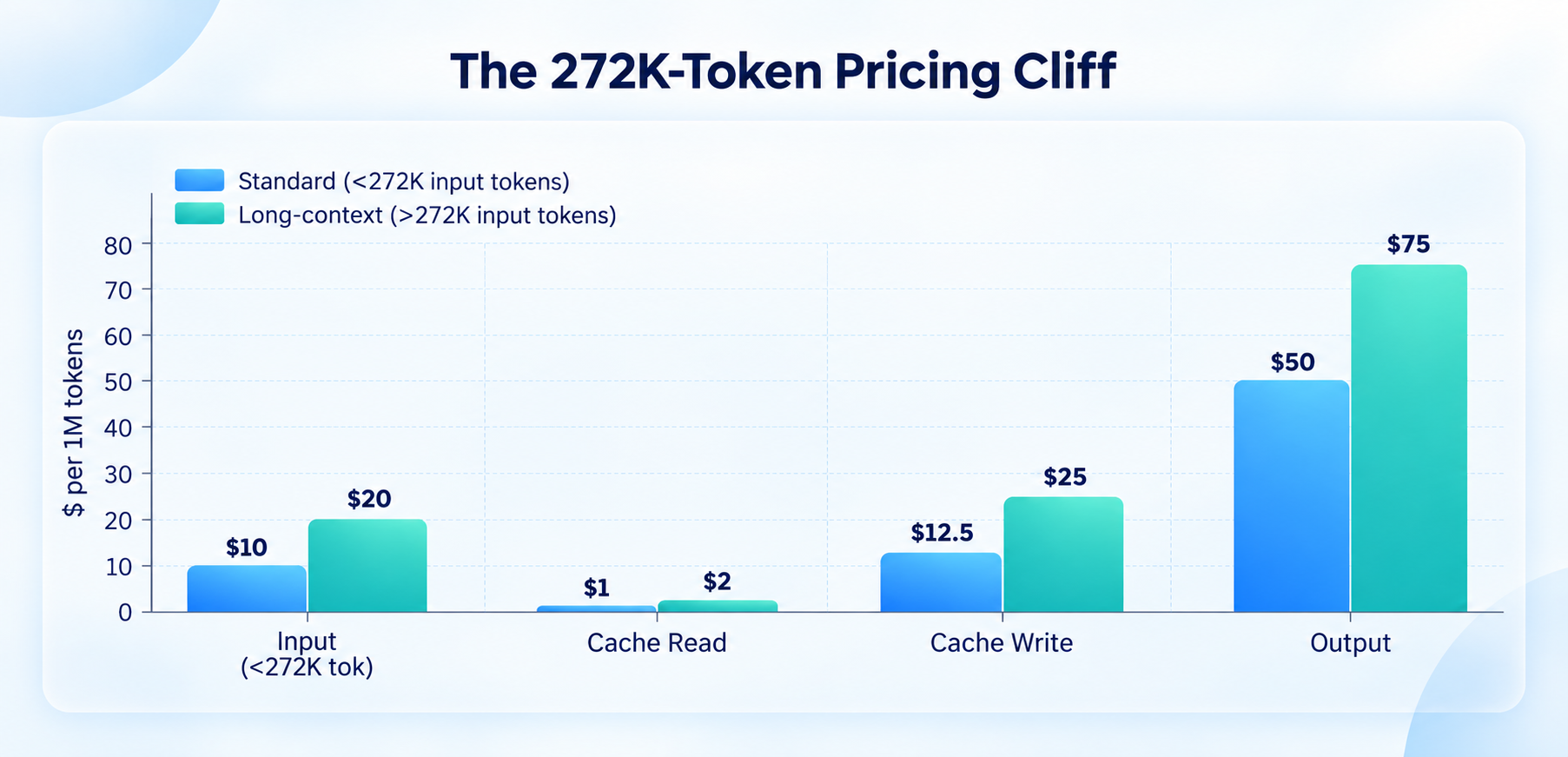
Prompt caching is what makes repeated, structured workflows economical rather than merely possible. A referral-intake or eligibility-screening pipeline reuses the same scaffolding on every case, the same guideline text, the same extraction schema, the same triage framework, while only the patient-specific data changes. Cached tokens on Astra cost roughly a tenth of the standard input rate, and Astra adds explicit cache breakpoints on top of the automatic implicit caching older models had, so a developer can pin exactly where the reusable guideline block ends and volatile per-patient content begins.
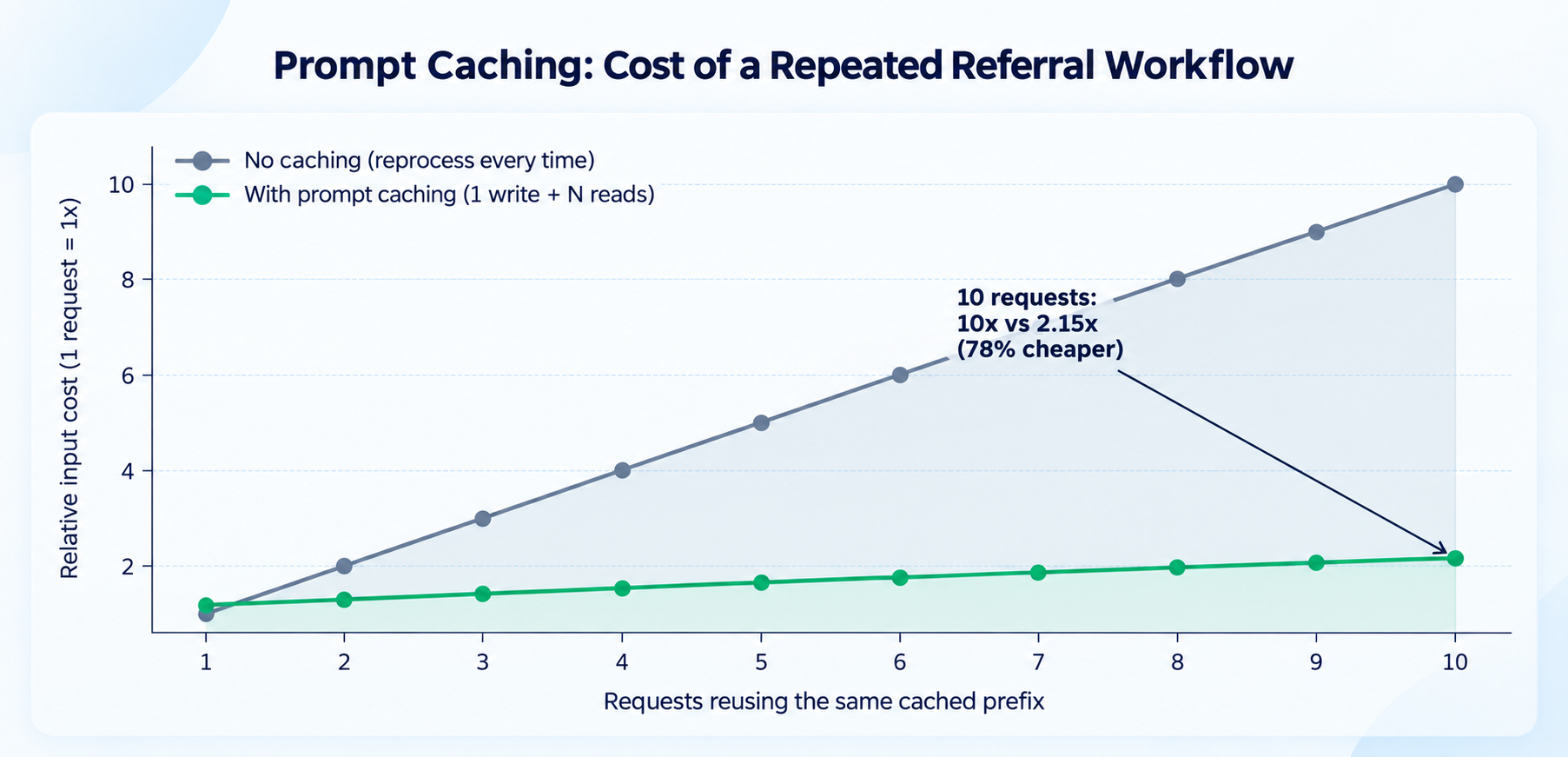
For a queue processing hundreds or thousands of referrals a day, that’s the difference between reprocessing an entire rulebook on every case and paying full price once, then a fraction of it forever after.
That single design choice, caching reusable guideline text instead of resending it, is often what separates a healthcare AI platform or a pilot that scales from one that quietly blows through its budget.
How it stacks up: GPT 6 Astra vs. Claude Fable 5.1
Against Claude Fable 5.1, Anthropic’s model released in the same launch window, the two are close enough on Artificial Analysis’s live head-to-head comparison that model choice for healthcare workflow automation should probably be decided by solution fit rather than benchmark bragging rights.
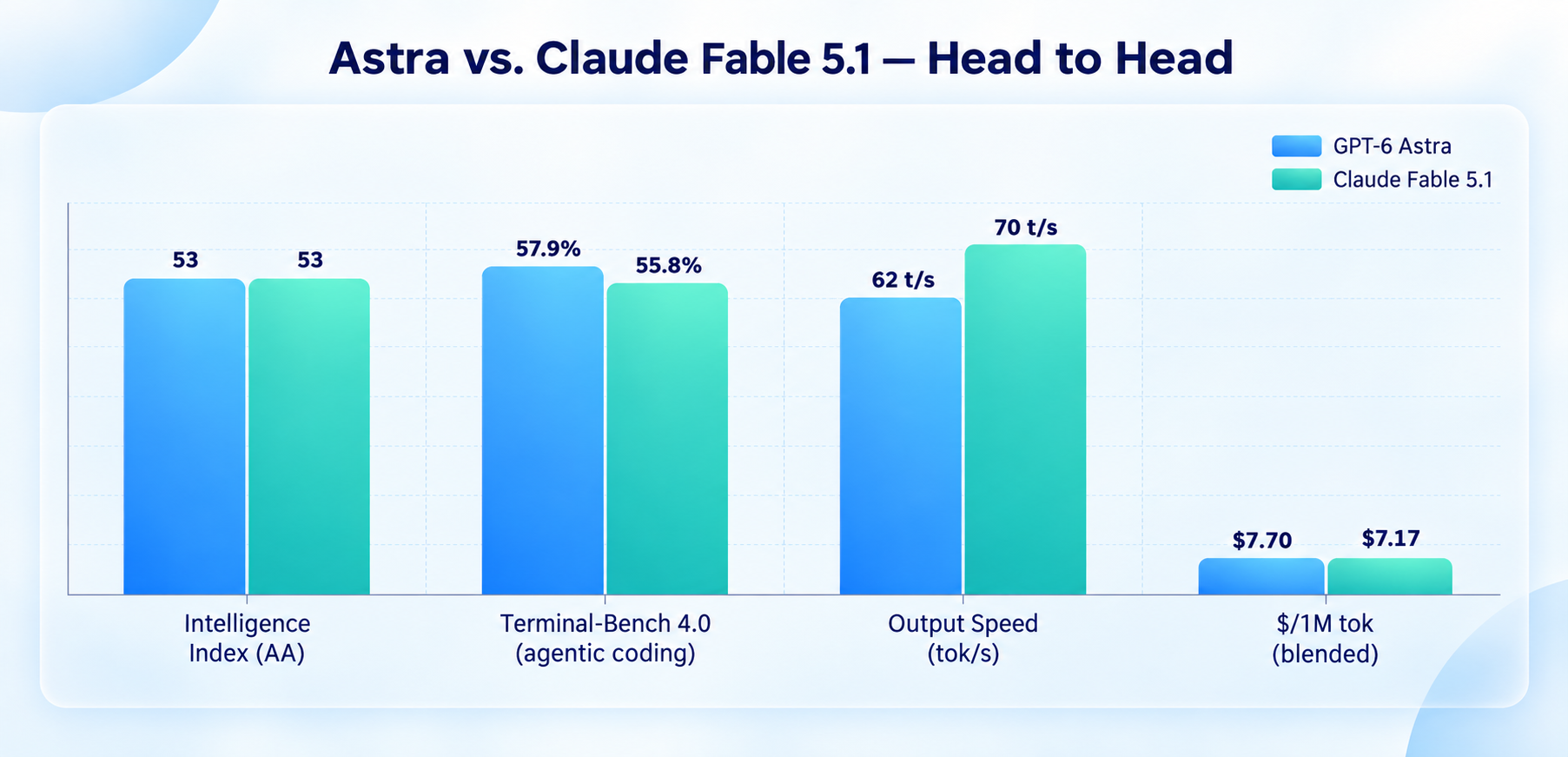
| Metric | GPT-6 Astra | Claude Fable 5.1 |
| Intelligence Index (Artificial Analysis, live) | 53 | 53 (tied) |
| Terminal-Bench 4.0 (agentic coding, OpenAI-reported) | 57.9% | 55.8% |
| Output speed (tokens/sec, Artificial Analysis) | 62 | 70 |
| Blended cost per 1M tokens (Artificial Analysis) | $7.70 | $7.17 |
| HealthBench Professional, length-adjusted (OpenAI-graded) | 63.4% | 58.1% |
| Context window | ~1.05M tokens | ~1M tokens |
| Standout strength | Research math, cybersecurity, computer use | Multi-hour agentic coding, cache discount up to 45% |
| Cloud availability at launch | OpenAI API, Azure, AWS Bedrock | AWS, Google Cloud, Microsoft Azure |
| Enterprise default | Off until admin enables | 30-day retention required, not on Priority Tier |
Fable 5.1 is faster (70 vs. 62 output tokens/sec) and marginally cheaper on blended cost; Astra edges ahead on Terminal-Bench 4.0 agentic-coding tasks and on the OpenAI-graded HealthBench Professional comparison, and both are effectively tied on Artificial Analysis’s Intelligence Index. Fable 5.1’s own prompt-caching redesign is aggressive in its own right, Anthropic dropped cached-input pricing from $1 to $0.25 per million tokens, cutting typical workloads by roughly 25% and highly agentic workloads by up to 45%, which matters just as much as Astra’s caching story for anyone building a multi-step clinical workflow rather than firing single queries.
The more relevant enterprise distinction is availability and rollout posture: Astra is off by default in enterprise workspaces until an administrator explicitly enables it, and its cloud footprint at launch, OpenAI API, Microsoft Azure, and AWS Bedrock, is narrower than Fable 5.1’s three-cloud availability. For a healthcare IT team already standardized on a particular cloud and compliance posture, that operational detail may decide the question before a single benchmark is consulted.
The verdict
Astra is a more capable clinical co-worker, not a more autonomous one. The context window and agentic tooling meaningfully expand what an application can do around a patient record, comprehensive review instead of forced summarization, drafted documentation instead of blank-page starts, reconciled referrals instead of manually stitched fragments.
None of that reduces the need for clinical grounding, jurisdiction-specific guidance, human review of anything patient-facing, or a properly executed BAA before real data enters the system. The organizations that get the most out of this release won’t be the ones chasing the benchmark delta, they’ll be the ones that redesign their prompt structure around caching, respect the 272K-token pricing cliff, and keep the clinician firmly in the loop on everything the model drafts.
For healthcare CXOs, the real decision isn’t GPT-6 Astra versus Claude Fable 5.1. It’s whether your organization has the AI governance, HIPAA-compliant infrastructure, and workflow design in place to capture either model’s agentic upside safely.