











5 Things Every Data Engineer Gets Wrong About Delta Lake
Most of us started using Delta Lake the same way, we swapped "parquet" for "delta" in a write call, things kept working, and we moved on.


Most of us started using Delta Lake the same way, we swapped "parquet" for "delta" in a write call, things kept working, and we moved on.

Most CIOs treat buy vs. build as one binary choice and that's the mistake. The smarter AI strategy buys infrastructure for speed and builds the differentiating layer for control, IP ownership, and compliance.

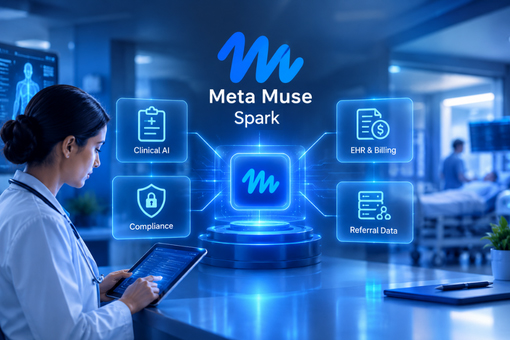
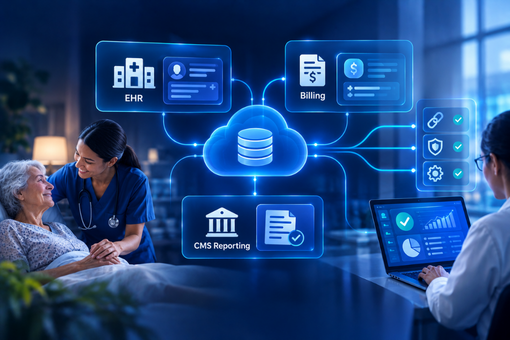
Hospitals have a complete electronic health record, but two gaps remain: data scattered across multiple source systems, and work that nothing acts on. This piece lays out a two-layer fix: a governed healthcare data platform and a no-code agentic AI layer, joined by one conversational interface, built on the systems a hospital already owns.

Parquet file format v2 is now generally available for Delta Lake and Apache Iceberg tables in Azure Databricks Runtime 18.1 and above.

Most AI clinical documentation tools produce hospice notes that read well and fail audits. Generic AI was never built to reason through jurisdiction-specific Local Coverage Determinations or the clinical-regulatory logic Medicare Administrative Contractors actually use.

Caregence is a healthcare-native agentic AI platform built by Inferenz that treats HIPAA compliant AI as an architectural principle, not a final checklist.

Databricks Data + AI Summit 2026 was not a feature release, but a declaration. The Lakehouse is no longer just where enterprises store and query data.

Agentic AI is no longer a future consideration for home care. It is an operational necessity. This framework covers the highest-impact use cases, governance requirements, and deployment principles that separate AI initiatives that deliver from ones that stall.

Artificial Intelligence and Machine Learning are transforming industries at an unprecedented pace.

Home health generates more clinical data per patient than almost any other care setting, yet readmissions that remain preventable, keep happening and caregiver turnover sits at 75%. The problem has never been data shortage but data visibility to see patient data as a whole.
Enterprise workspace migrations live or die on one thing, whether users trust the new system enough to abandon the old one.

From predictive analytics to workflow automation, hospice leaders are actively exploring how AI can solve staffing shortages, compliance pressure, and shrinking margins.

OpenSearch is a flexible platform used for search, analytics, observability, and security across modern data environments.

Data warehouse design decides how fast your teams get answers, how much they trust the numbers, and how easily you can scale analytics and AI. This guide breaks down architecture approaches, schema options, and implementation patterns, with clear “use when” guidance for each.

As cloud adoption grows in fintech, cloud cost management becomes harder because usage and pricing shift every hour. FinOps helps teams link spend to real outcomes like cost per transaction, fraud checks, and feature delivery.

In an era defined by data, organizations are navigating a fundamental paradox: they are data-rich but insight-poor. The sheer volume of information, intended to be a strategic asset for every Fortune 100 contender and nimble startup alike, often becomes a source of complexity and confusion. Without a structured approach, this asset quickly turns into a…

Model drift is more than a real data science headache, it’s a silent business killer. When the data your AI relies on changes, predictions falter, decisions suffer, and trust erodes.

Modern organisations today look beyond traditional batch-based systems. At Inferenz we build platforms that enable agentic AI and real-time data transformation, and this article shows a concrete architecture that makes that possible.
Modernize your healthcare ecosystem with AI that delivers outcomes, not just analytics.
Contact Us